Understanding Home Automation Systems
Understanding home automation systems begins with recognizing how modern living spaces are gradually shifting from manually controlled environments to interconnected digital ecosystems. At the core of this transformation is home automation, a concept that refers to the coordination of household functions through centralized or distributed control systems. These systems rely heavily on smart devices, which serve as the operational components that collect data, execute commands, and communicate with one another to create a responsive home environment.
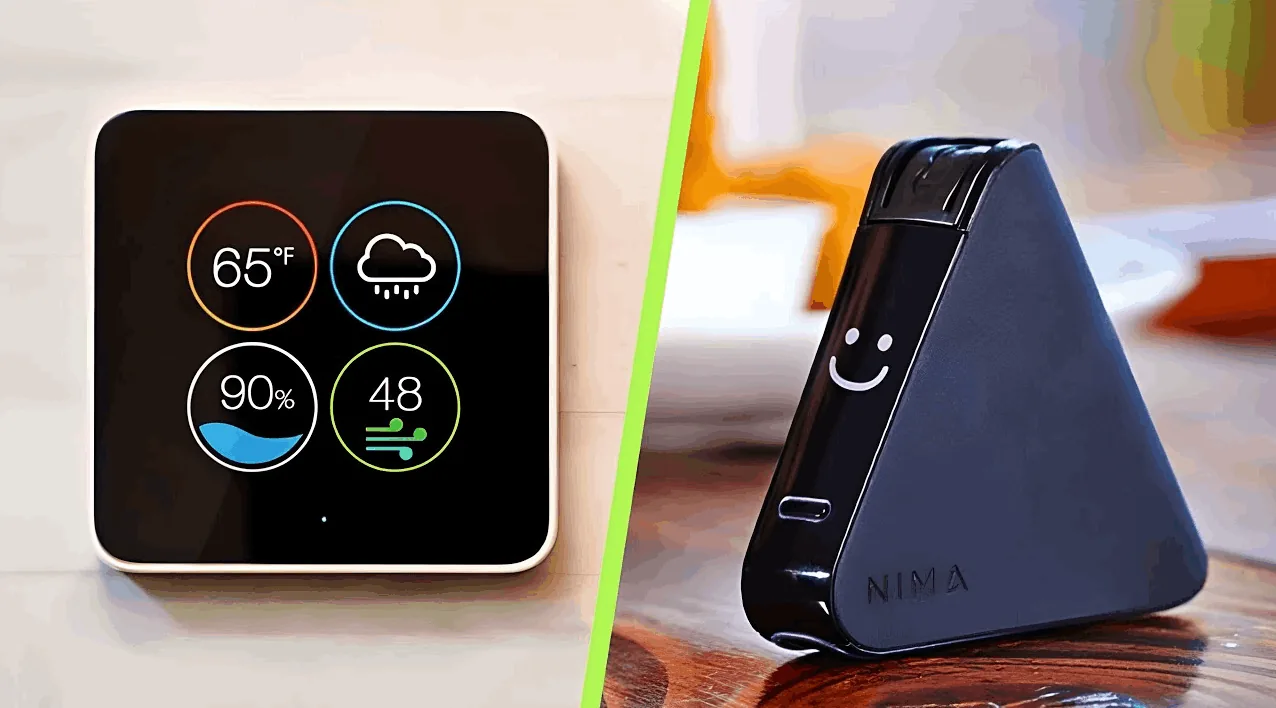
In practical terms, home automation can include a wide range of functions such as lighting control, climate regulation, security monitoring, and appliance management. Each of these functions is supported by smart devices that operate either independently or as part of a larger network. For example, a thermostat can adjust temperature based on occupancy patterns, while lighting systems respond to time of day or movement. When combined, these elements form a cohesive system that simplifies daily routines and reduces the need for manual interaction.
A key element in understanding home automation systems is connectivity. Most smart devices rely on wireless communication protocols such as Wi-Fi, Bluetooth, or dedicated smart home hubs to exchange information. This connectivity allows different devices to work together, even if they perform different roles within the home. A motion sensor can trigger lights, a voice assistant can control appliances, and a central application can coordinate all of these actions in real time. The result is a unified system that responds dynamically to user behavior.
Another important aspect of home automation is data processing. Smart devices continuously collect information about usage patterns, environmental conditions, and user preferences. This data is then processed to improve system performance and enable automation rules. For instance, a system might learn when occupants typically leave the house and adjust heating or lighting accordingly. Over time, this creates a more efficient and personalized living environment, where smart devices anticipate needs rather than simply reacting to commands.
Despite their growing complexity, home automation systems are designed to simplify user interaction. Many systems are managed through mobile applications or voice interfaces, allowing users to control multiple smart devices from a single point of access. This centralized control reduces the complexity of managing individual devices and makes it easier to monitor and adjust settings across the entire home. The goal is not to increase technical burden but to reduce it through integration and automation.
Security is another essential component of home automation systems. As smart devices become more interconnected, protecting data and ensuring secure communication becomes increasingly important. Modern systems often include encryption, authentication protocols, and user permissions to safeguard information. At the same time, users are encouraged to understand how their systems operate in order to maintain control over privacy and access. A well-designed automation system balances convenience with responsible data management.
The structure of home automation systems can vary depending on complexity. Some households use simple setups with a few connected smart devices, while others implement more advanced networks that include multiple layers of automation and control. Regardless of scale, the underlying principle remains the same: devices communicate, respond, and adapt to improve everyday living. This scalability makes home automation accessible to a wide range of users with different needs and levels of technical experience.
Ultimately, understanding home automation systems means seeing them not as isolated technologies but as interconnected environments. Smart devices play a crucial role in shaping these environments by enabling communication, automation, and adaptation. As these systems continue to evolve, they are becoming more intuitive and integrated into daily life, transforming how homes function and how people interact with their surroundings.