Future of Connected Living
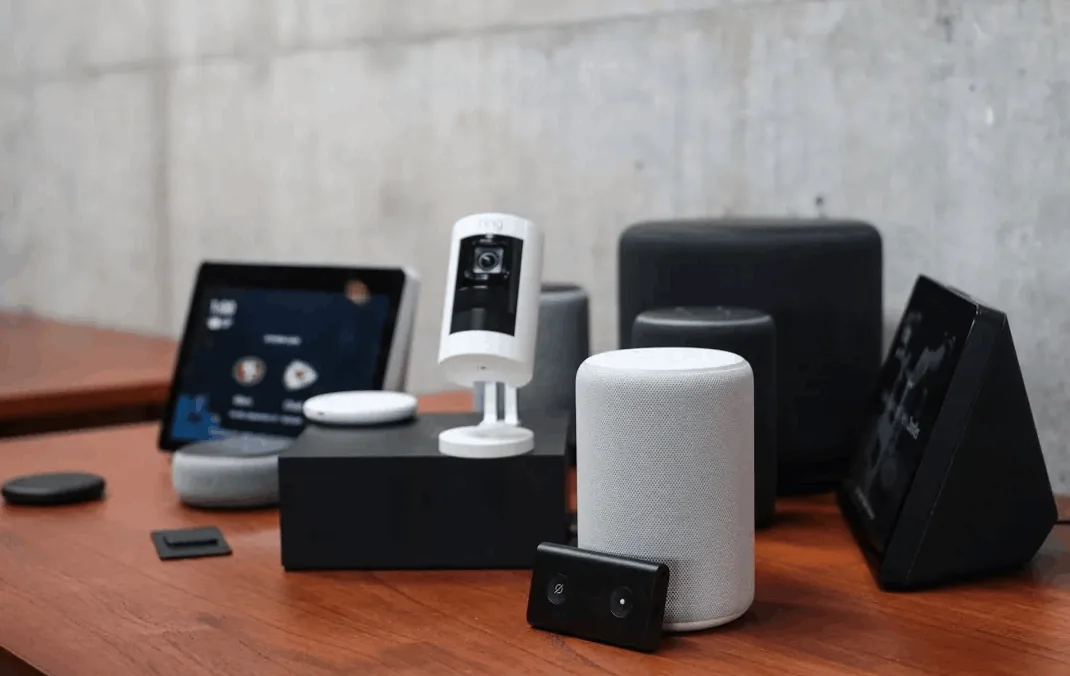
The future of connected living is closely tied to the continuous evolution of home automation, which is reshaping how people interact with their personal spaces. Homes are gradually becoming more responsive, adaptive, and aware of human behavior, not in a conscious sense, but through systems that interpret patterns and adjust environments accordingly. At the center of this transformation are smart devices, which act as building blocks of modern connected ecosystems, linking everyday objects into a coordinated network.
One of the most noticeable directions in this future is the increasing invisibility of technology. Instead of actively managing multiple controls, users will experience environments shaped by home automation that responds naturally to their presence and routines. Smart devices will continue to evolve toward seamless integration, where interaction becomes minimal and intuitive. Lighting, climate, entertainment, and security systems will operate in harmony, reducing the need for constant manual adjustments and allowing living spaces to feel more fluid.
As connected living develops further, personalization will become even more refined. Advanced home automation systems will not only learn basic habits but also understand contextual behavior, such as changes in schedule, seasonal preferences, or temporary lifestyle shifts. Smart devices will work together to adjust environments in real time, creating spaces that feel increasingly tailored to individual needs. This level of adaptability represents a shift from static settings to dynamic living environments that evolve continuously.
Energy efficiency and sustainability will also play a central role in the future of home automation. With growing awareness of environmental challenges, households will rely more on smart devices to optimize consumption and reduce waste. Intelligent systems will balance comfort with efficiency, ensuring that energy is used only when necessary. This may include predictive heating and cooling, adaptive lighting based on natural conditions, and coordinated management of appliances. The result is a home that not only responds to its occupants but also operates with greater environmental responsibility.
Another important aspect of future connected living is interoperability. As the number of smart devices in homes increases, the ability for different systems to communicate effectively becomes essential. Future home automation ecosystems are expected to prioritize compatibility, allowing devices from different categories and manufacturers to function together smoothly. This creates a more unified experience, where users do not need to worry about technical fragmentation or isolated systems.
Security and privacy will remain key considerations as smart devices become more deeply integrated into daily life. The expansion of home automation introduces more data exchange between systems, which requires careful management and transparent design. Future developments will likely focus on improving user control, ensuring that individuals can understand and manage how their data is used while still benefiting from connected functionality. Trust will be a foundational element of widespread adoption.
Over time, connected living may also influence how people perceive the concept of home itself. With home automation shaping environments that adapt continuously, the boundary between technology and living space will become less visible. Smart devices will not be seen as separate tools but as natural extensions of the home environment. This shift will redefine comfort, convenience, and interaction, making homes more responsive without becoming intrusive.
The future of connected living is not about replacing human experience but enhancing it through subtle, intelligent support. As home automation advances and smart devices become more capable, the focus will remain on creating environments that feel natural, supportive, and unobtrusive. The goal is a home that understands without overwhelming, and adapts without demanding attention.